Doggie's Tales
Village history, collected
Doggie Tales
Childhood memories of the places where children of Doggie had fun and adventure with their friends in the mid to late twentieth century.
Doggie
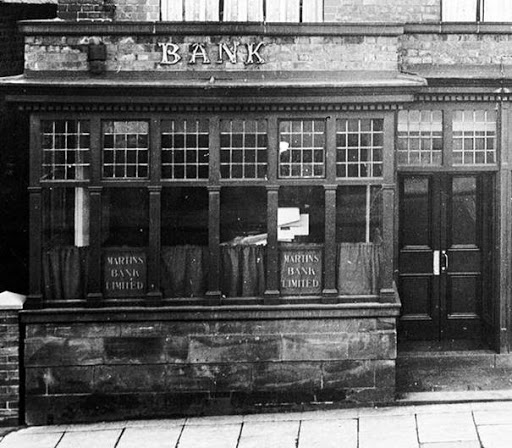
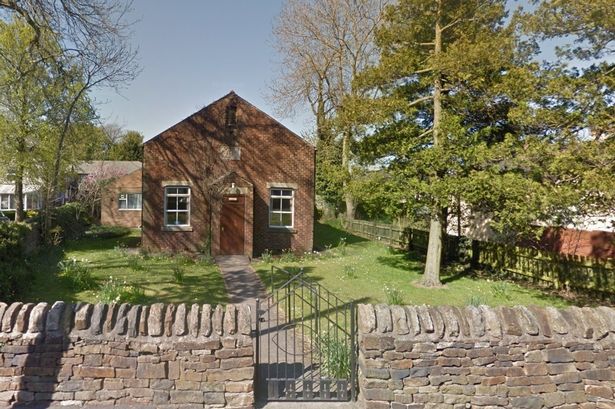
Doggie is the nick name of a very special place in County Durham. Doggie is three villages. Their proper names are Thrislington, Cornforth and West Cornforth. People have lived in Doggie for eight hundred years.
Thrislington
There was a medieval village at Thrislington. It had a manor house, chapel and cottages.
A document written in 1341 tells about the death of a miner called Gilbert. Miners work in a mine digging for coal. People in Doggie call the mine the ‘pit’. Men who work in the pit are called pit men.
This is Gilbert’s story.
Four men were working in a deep pit digging for coal. It was a Wednesday. The men finished their work and came out of the pit. The pit was deep. The way out was steep and narrow. The men pulled on a rope to help them get out of the pit.
One of the pit men was called Gilbert. As he pulled himself out of the pit Gilbert held on to the rope with one hand. In his other hand he held a big pot. He passed the pot from one hand to his other hand. As he did that Gilbert let go of the rope and fell back into the pit.
The three other men dragged Gilbert from the pit. Gilbert was badly hurt. He knew he would die. The men took Gilbert home to Thrislington. Gilbert made his will and the holy man came to pray for him.
Gilbert lay in bed for a week. The village looked after him. Gilbert died at one o’clock on a Thursday morning. The village paid for the rope that had been lost in the pit. There is a quarry where Thrislington used to be.
Cornforth
The name Cornforth comes from two Old English words. Cornforth means Crane Ford or way across the water. The Bishop of Durham had a Water Mill at Cornforth. It was a Fulling Mill. Fulling Mills cleaned wool before it was spun and woven into cloth. Later the Fulling Mill closed and the watermill became a Corn Mill. The Corn Mill ground corn into flour. Flour is used to make bread.
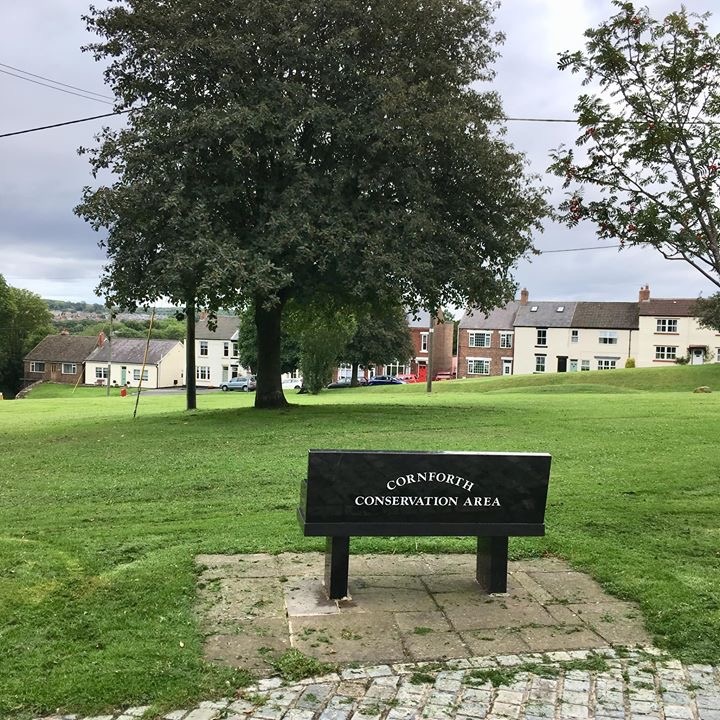
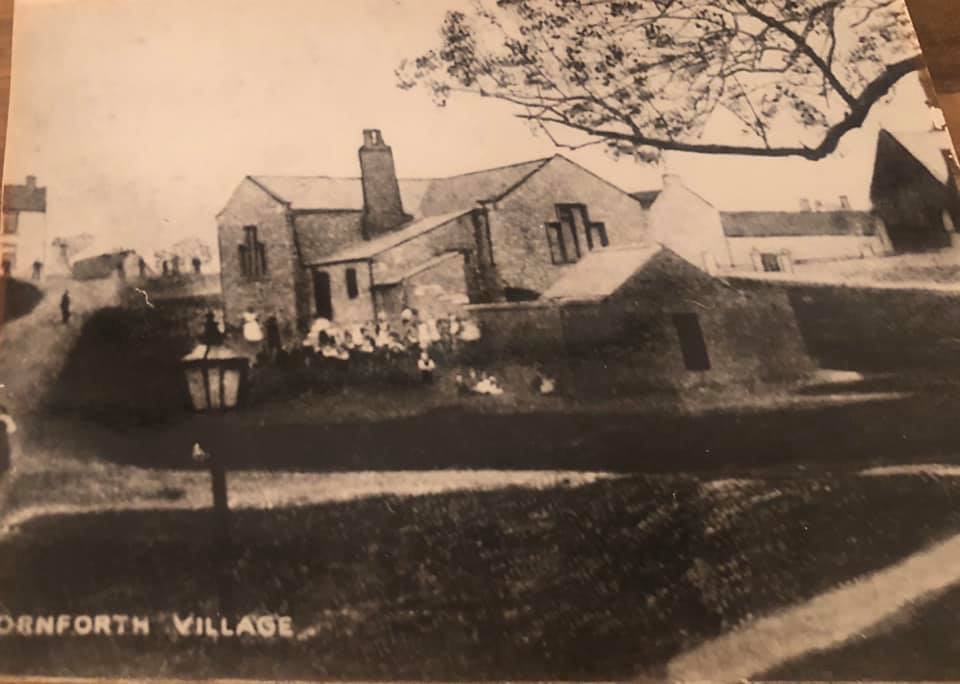
The village of Cornforth grew around the Village Green. Three hundred years ago there were about three hundred and twenty people living in Cornforth. Most people worked at the mill or on farms.
There was a working pit near Cornforth in 1840. It was called Cornforth Colliery. Four thousand more people came to Doggie to get work. A new church and some new houses were built near the Village Green.
West Cornforth
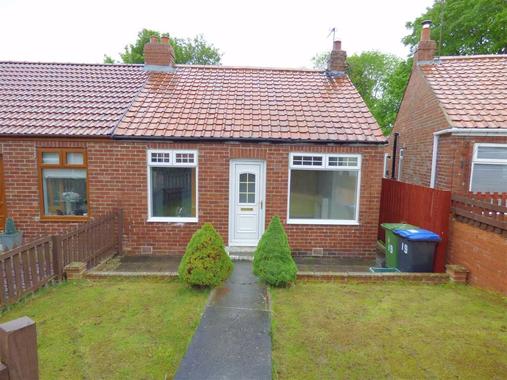
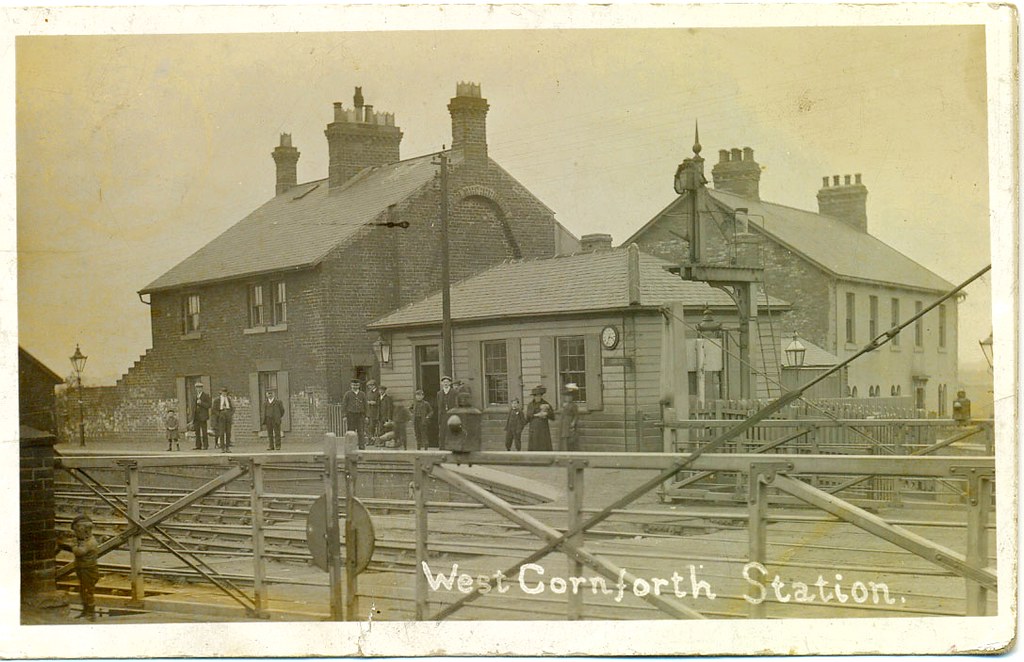
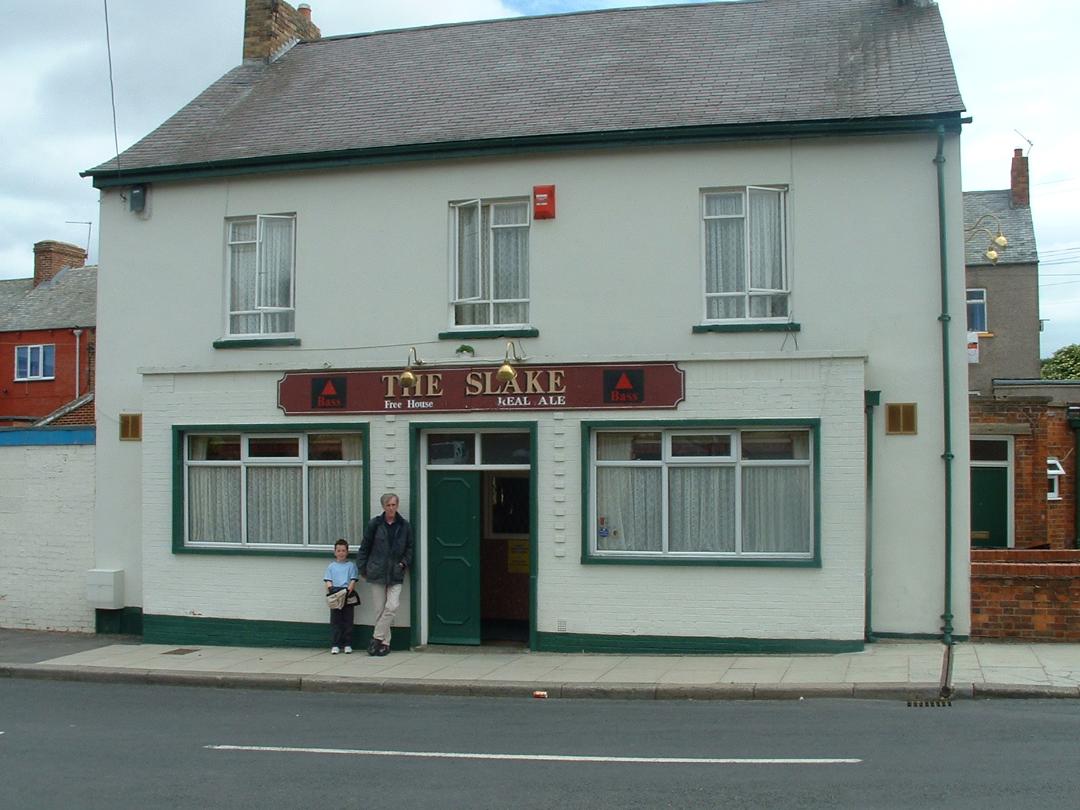
Most of the new people who came to Doggie lived to the west of the village green. This part is called West Cornforth. People came to Doggie to work in the pit, the iron works and coke ovens. Some people came to work in the shops. Some people still worked on the land. New houses, chapels, schools, a station, and a mineral railway, were built for the people who lived and worked in Doggie. Twelve Inns were also built. Inns had places to stay for people who did not have a house. Inns were places to go to meet friends.
Doggie
The name Doggie came from the iron works that made short bars of iron that were bent at right angles. The bars were used on train tracks to hold the rails on to the wooden sleepers and to keep coal and logs in the fire place.
Moirthought that‘Doggie’ got its nickname from all the dogs that there were in the village. Some men kept greyhounds. The men liked to keep greyhounds and spent time training them to run fast. The greyhounds ran in races in different places.
Work
The Pit Men
Most men in Doggie were pitmen. Pitmen are strong, brave and work very hard. In the beginning the only tools pitmen had were a pickaxe and a big shovel. Pit men dig for coal underground often in small spaces. It is very dark underground. It is hot and dusty. Pitmen get very dirty and very tired.
Pitmen dig all through the day and all through the night. They work for a set time. When one group of pitmen have worked their time another group takes over. The work time is called a shift.
When a pit man has to work through the night he goes home to sleep during the day.
Pit men worked in Doggie for about a hundred and twenty years. The whole country needed coal. Coal was burned in homes for cooking and to keep people warm. Trains needed coal to fire steam engines. Power stations and factories needed coal to run machinery.
The Pitmen’s Wives
Pitmen’s wives kept the house clean, did the washing, shopped, cooked food, and looked after the children. It was hard work.
Most houses had one open coal fire. The fire was the only heat in the house. The heat from the fire was used to keep the house warm, heat water, cook food and dry clothes. Everything was done by hand. Cooking and cleaning took a long time.
When a pit man came home he was very dirty. He had a bath in front of the fire. The bath water was heated on the fire in a big pan. The pit man’s wife washed his clothes in the bathwater and dried his clothes in front of the fire.
When a pit man worked at night he had a sleep during the day. The children had to be very quiet. The children went outside to play away from the house. The children played all over Doggie.
Play Places
Some old people have been talking about Doggie and the places they played in when they were children. Some places were old works or where waste came from the pit. Others were important points where people walked to and from Doggie.
Ferryhill Gate.
This was a foot crossing across the London and North Eastern Railway. It was the main line that went to and from Edinburgh and London. The London and North Eastern Railway line runs through the edge of West Cornforth and Ferryhill. Most trains in the 1940s and 1950s were powered by steam. The weight and noise of the big, fast engines would make the ground shake.
Ferryhill Gate was a favourite spot for train spotters. Train spotters collect numbers of engines and trains. Children used to sit on the metal gate as the trains sped past.
The Flying Scotsman was one of the engines everyone liked to see.
The Jubilee Bridge
The Jubilee Bridgeis a footbridge that crosses the London and North Eastern Railway. The Jubilee Bridge was named for Queen Victoria’s Diamond Jubilee in 1897 when she had been Queen for sixty years. Children liked to watch the steam locomotives that pulled the trains under the Jubilee Bridge.
Jeanremembers standing on the Jubilee Bridge and getting covered in smoke as the steam engines went underneath. Alanloved standing in the smoke when the trains passed under the Jubilee Bridge. Moircan remember being on the footbridge as the Mallard raced underneath at 100 miles an hour. He remembers the special smell of the engine.
Bill remembersthe first Jubilee Bridge was made of wood. The Bridge was steel with wooden latts.
Denniswent to the wooden Jubilee Bridge to watch locomotives. He used to get spelks (wood splinters) in his hands from the Bridge.
Bill remembers from 1950
The path to the Jubilee Bridge went by slag heaps left from the old iron works. We called this place the ‘Rockies’. We watched cowboy films in the Regent Cinema. It looked like the place where cowboys lived.
Jean thinks The Rockies is a good name for the waste land of grey shale hills and thorny shrubs. Jean and her friends played at being the Famous Five and ran up and down them for hours.
Jean remembers her grandad Fred Parkin in 1960.
Grandad Fred was a farmer. He lived in the railway cottage. We went over the Jubilee Bridge to get to his farm. He used to chase the kids off with his stick when they came on his land.
Ken remembers Fred Parkin too.
We used to scrump (steal) apples from trees on Fred’s land. Fred shot at us with a bird gun as we ran away across the train tracks.
Dennis saw Fred chasing the kids. Dennis did not take apples. Dennis was a good kid. Fred didn’t chase Dennis.
Joe remembersFred and his double barrelled shot gun.
Jean said that Fred must have had good apples.
Alanremembered two ponds near the waste land. The ponds were small and deep. One day Alan’s brother George was playing at the edge of the pond when the edge gave way. George fell in.
Alan liked the hole in the ground with brick walls from the old gas works. Alan jumped into the hole. It was difficult to get out.
The Allotments
Allotments are places where people grew vegetables, flowers, kept pigeons and rabbits. Allotments are separate plots of land in one place. Allotments are away from people’s houses. Pitmen liked allotments. They liked the fresh air and growing things. Moirpinched gooseberries, tomatoes and all kinds of fruit and vegetables from his grandfather’s allotment. He damaged his hands on the thorns but he had plenty to eat.
Doggie Wood
Doggie Wood was a favourite spot with the children. Eleanor and Jean liked Doggie Wood. Eleanor walked a lot with her friends. Eleanor and her friends gathered primroses, bluebells, blackberries, strawberries and rosehips. Joe showed Jean newts under logs, they listened to sky larks singing and spotted lots of different butterflies.
Andycooked tatties on a fire in the wood.
Moirremembers the high risk swing. The children tried to swing round the tree. It was dangerous. Some children got big bruises and broken bones swinging round the tree.
The Colliery Rail Incline
Eleanorremembers waiting for coal trucks to pass the mineral line on her way to the rope swing in the wood.
Coal trucks passed overhead up and down the incline or hill on a huge cable. Full trucks went down one side and empty trucks came back up the other side. The empty trucks came up the hill slowly. Children jumped on the trucks as they passed and hitched a lift up the hill.
The Pit Heap
The way to Doggie Wood passed by the stone waste from the pit. The waste piled up high. It was called the pit heap or the slag heap. Moircan rememberpicking coal from the pit heap with Grandad Smith. Grandad Smith heated his greenhouse with the coal.
Alan remembers sliding down the pit heap on pieces of rubber belts. Alan had fun.
Pricey’s Pondwas at the bottom of the pit heap on the way to the wood. Eleanor used to collect frog spawn from the pond. Eleanor built a dam in the stream that went into the pond.
The Duff
Waste water and coal dust mixed together and made a pond. The coal dust settled to the bottom. The water looked very dark.
Bill remembers he used to build rafts that he floated on the duff.
Alan and his friend Peter took an old tin bath from one of the allotments to the pond. They wanted to sail the tin bath on the pond. Alan and Peter took an oil lamp from the gates at the railway crossing so that they could see to sail the bath in the dark. Alan and Peter could not swim.
Alan’s brother George told his dad that Alan and Peter were sailing the bath on the pond in the dark. Alan and George’s dad ran to the pond. He shouted at Alan and Peter. Alan and Peter sailed the boat to the side of the pond. Alan and Peter jumped out of the bath and ran off through the brambles.
In the winter the water in the pond froze to ice. Alan and his friends walked on the hard ice. The ice began to crack. Alan went through the ice into the cold water underneath. Joe pulled Alan out of the pond. Joe saved Alan’s life.
The Donkey Wood
Ian remembers being in theDonkey Wood in winter in the snow. Ian half-filled plastic sacks with snow. Ian sat on the sack and slid down the snowy hill. Peter got a cold bum. Ian and his friends sped down the hill on their sacks. They tried to slide down fast so that they could go up the next hill.
In summer Ian liked the tartan swing. Ian fell from the swing and broke his arm.
The Donkey Wood was cut down. Andysays new trees have been planted where the Donkey Wood was. It is called Thrislington Plantation now.
Butcher’s Race
Sandy’sfamily lived in Butcher’s Race. Butcher’s Race is by a stream near Ferryhill. Ferryhill is close to Doggie. Butcher’s Race was the start of a fight that took place near Hett just before the Battle of Neville’s Cross in 1346.
The English King was called Edward the third. In 1346 Edward and his army were fighting against Phillip the fourth of France. The English Army was winning.
King Phillip was friends with King David the second of Scotland. King Phillip asked King David to invade England. King Phillip thought King Edward would bring his army back to England if the Scottish army invaded England. King David and the Scottish army invaded England. They made a camp north of Durham in a big hunting park. The Bishop of Durham owned the hunting park. Most of the land around Doggie and Ferryhill was part of this hunting park.
The English found out that the Scottish army had come to invade. There were some English soldiers left in the north. The English soldiers made an army and went to fight the Scottish army.
Billsaid that the English soldiers had a look out place on the top of the church at Kirk Merrington. The Scottish army did not know that the English army was watching them.
The English soldiers saw a group of Scottish soldiers by a stream near Ferryhill and Doggie. The Scottish soldiers were hunting animals to feed their army. It was a misty day. The English soldiers moved quietly and chased the Scottish soldiers. The Scottish soldiers ran through East Howle and Metal Bridge past Thinford. The English soldiers ran after them. The English soldiers and the Scottish soldiers had a fight on the North Road near Hett near a place called High Butcher’s Race. A lot of Scottish soldiers were killed.
Sir William the leader of the Scottish soldiers told King David that the English soldiers were very fierce. Sir William told King David it would be best if the Scottish soldiers went back to Scotland.
King David did not believe the English army was any good, King David wanted to fight. The Scottish army and the English army had a battle just outside Durham. The battle lasted six hours. It was called the Battle of Neville’s Cross. King David was captured. The English army won.
The Three Bridges
People coming into the village from Cornforth Lane enter under the middle part of what most people call The Three Bridges. It is really one bridge. It was built to carry the railway over the road. People in Doggie called the bridge the Three Bridges because it had three beautiful arches. The middle arch was the highest but it wasn’t quite high enough for all vehicles to get through. Once or twice a big bus or wagon got stuck under the bridge. When something was stuck the traffic had to go round the long way. Children came to see vehicles that got stuck. The children watched the men getting the stuck vehicle out. One time a wagon get stuck. The men looked and looked. The wagon was just a bit too tall. The wagon had very big wheels. The men let the air out of the tyres. The wagon shrunk just enough for it to back out. The wagon had to back up. It took a long time for the wagon to turn round. The curved arch was taken away.
People who walked to and from Cornforth Lane went under the first arch. When children walked under the arch they would shout loudly to hear the echo. Sometimes the children stood under the arch for a long time shouting and listening to the echo.
The Hills and Holes
A little way up the bank from the Three Bridges is the place called the Hills and Holes. The Hills and Holes was once a quarry. There were three round hills and the quarry holes were the valleys between them. The holes were called The Sugar Basin, Giant’s Grave, and Graham thinks the third hole is called the Hole. When it snowed it was like a mini Switzerland. There were cowslips in the summer.
People said that the stone for Durham Cathedral came from the Hills and Holes. Grahamis not so sure. The stone at the quarry is magnesium limestone. The cathedral is mostly built from sandstone.
Children loved to play in the Hills and Holes. Sandyremembers playing in the Hills and Holes in summer. Sandy took Jam sandwiches and bottles of water.
The Hills and Holes have gone.
The Old Quarry
The old quarry was near Highland Farm and Bishop Middleham. Graham and his friends Ray, Gary, and John went on a trek to the Old Quarry. The old quarry was on the other side of the Hare and Hounds road at the top of Doggie. The boys trekked across the road, and three fields to get to the quarry. It was a long way. The boys took jam sandwiches and pop bottles filled with water to keep them going.
Graham, Ray, Gary and John called the Old Quarry ‘The Rockies’. ‘The Rockies’ is a place in America. When the boys went to ‘the pictures’ they saw films about cowboys. Cowboys had adventures in the Rockies. Graham, Ray, Gary and John liked cowboy films. They took toy guns and sheath knives with them and played at being cowboys all day long.
School
Most children could walk to the school. The school had big playing fields. The children played on the school fields in the holidays. Moirsaid theathletics and football were great.
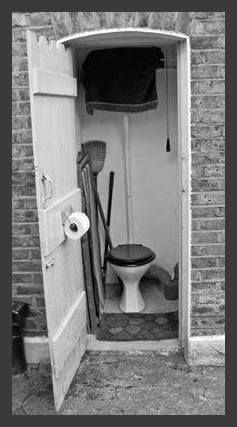
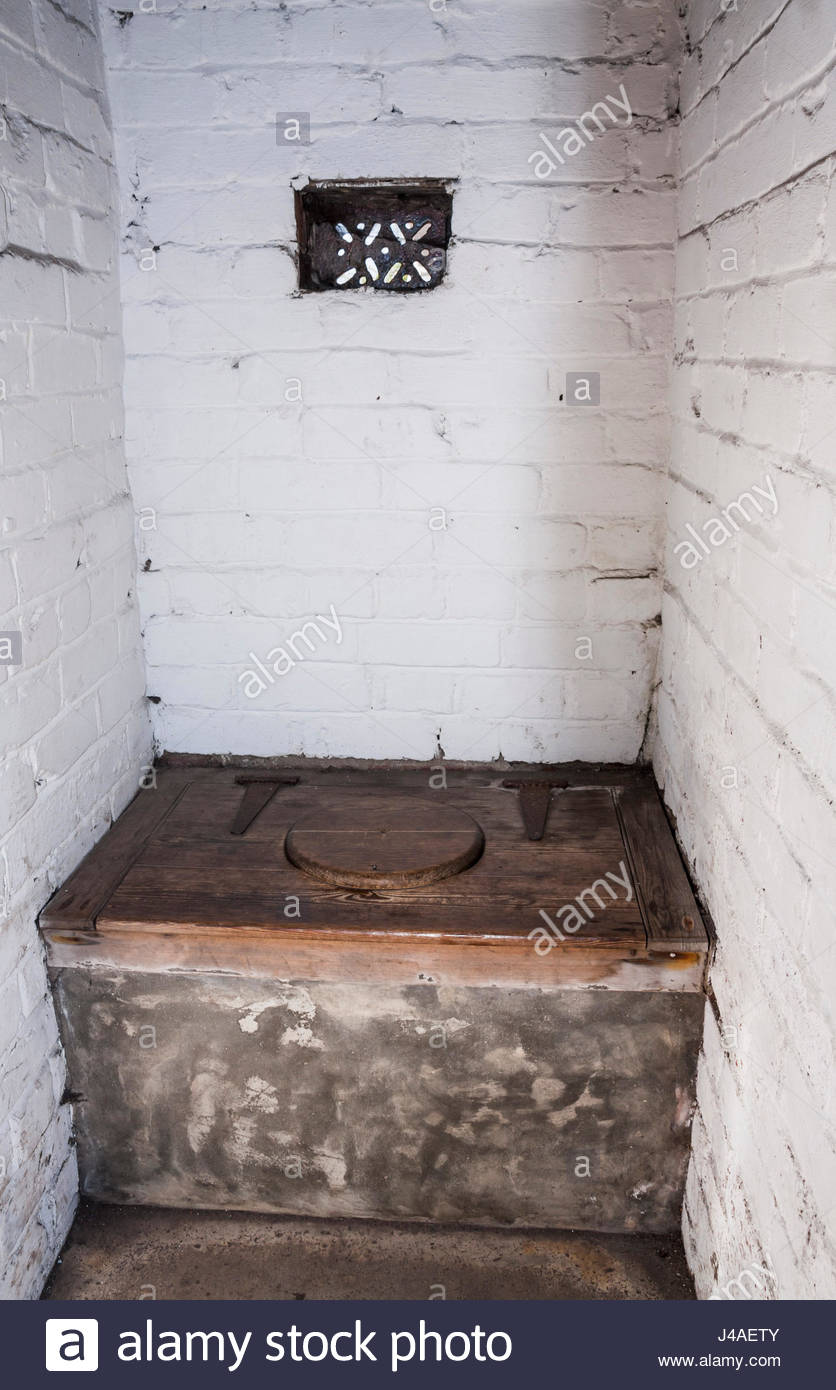
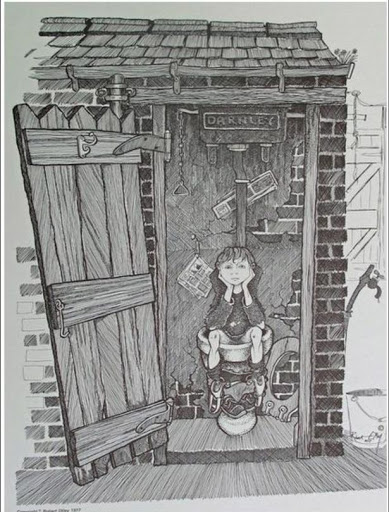
The toilets were outside the school in the middle of the yard. Moirdidn’t like the outside toilets.
Ricky’s Farm
Anna went out first thing in the morning and came home when it got dark. Anna went to the wood behind Ricky’s farm. Andy says you can still get to the wood that way. Andy remembers playing in the hay bales at the farm. The farmer chased him away across the fields. Andy had to jump over the hedges to get away.
Spud Picking
School closed for a week in October. It was called potato or spud picking week. Moir and Lenpicked spuds at Ricky’s Farm. Moir was seven years old. Len did all the spud picking. Ricky paid them ten shillings for the week.
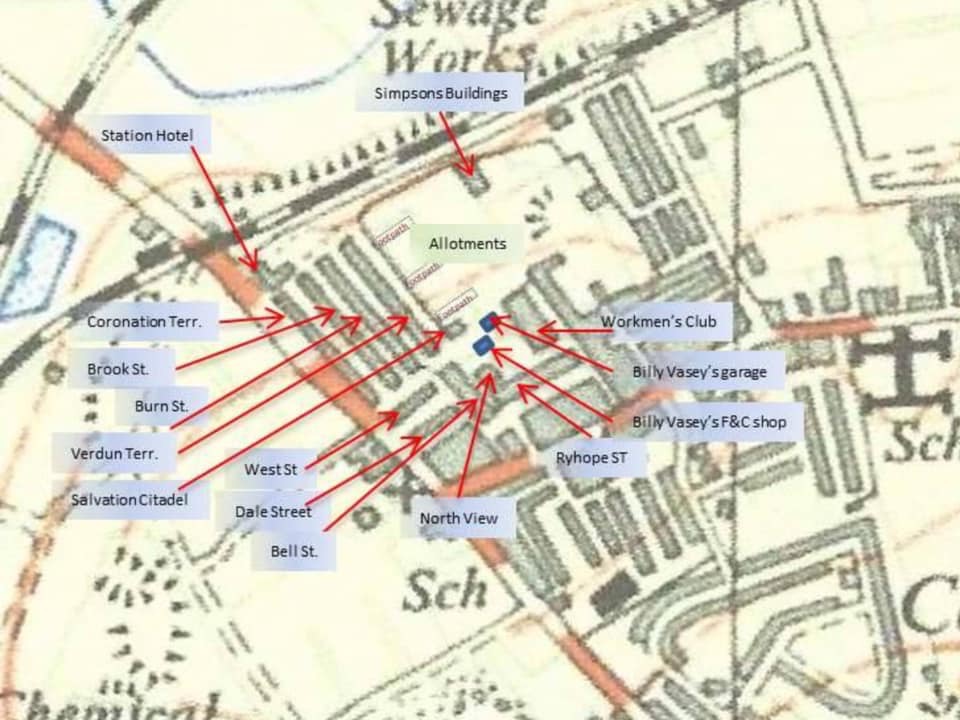
Ordnance Survey Map 1888 – 1913
Find
The Iron Works. Metal pieces for the railways were made here. What were they called?
The School. What is there now?
The Pit Heaps.
The Railway Station.
The Churches and Chapels.How many churches and chapels were there?
The Coke Ovens.What is coke made from? What is it used for?
Doggie
Ordnance Survey Map 1937 -1961
Places where the children used to play.
Find
The slag heaps. What did Bill and Alan call them?
Pricey’s Pond.What did the children get here?
The Jubilee Foot Bridge.What did the children do there?
The duff ponds.What was in the Duff ponds?
The incline.Why was the incline needed?
Ferryhill Gate.How is the main railway line crossed today?
Ordinance Survey 1937-61
D
5
Findthe places the children used to play.
Butcher’s Race - Doggie Wood - Donkey Wood – Duff Pond - Ferryhill Gate
Hills and Holes – Incline - Jubilee Bridge – Pricey’s Pond - Slag Heaps - The Three Bridges – The Old Quarry
Thank You to the people who have shared their childhood memories.
Mary Bentham
Bill Black
Ken Brown
Dennis Christison
Kathryn Cullen
Jacqueline Curle
Andy Denholm
Jean Grafton
Joe Grafton
Sandra Greenwood
Anna Johnson
Julie Leitheiser
Sir Moir Lockhead
Caroline Norman
Jean Robinson
Alan Robson
Margaret Sowerby
Bill Stubbs
Eleanor Williams
Cornforth History Doggie Tales Draft 2 pg. 3