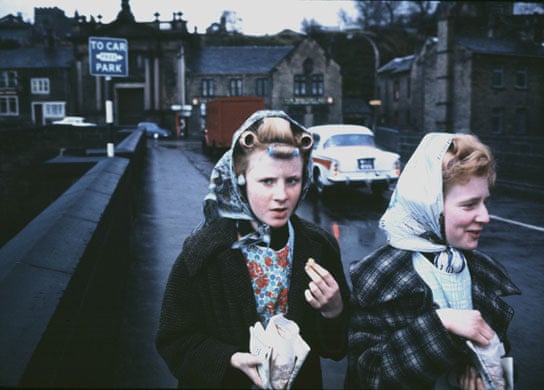
Housewife
The 1950s Housewife
by Ellen Castelow
For a woman, were the 1950s and 1960s the best of times or the worst of times?
The life of the average married woman in the 1950s and 60s was very different from that of today’s woman. This was the age of respectability and conformity. Very few women worked after getting married; they stayed at home to raise the children and keep house. The man was considered the head of the household in all things; mortgages, legal documents, bank accounts. Only the family allowance was paid directly to the mother. Should a woman find herself in a loveless or violent marriage, she was trapped; she had no money of her own and no career.
It was still unusual for women to go to university, especially working class women. Most left school and went straight into work until they married. Secondary schools – even grammar schools – prepared girls for this life: lessons were given in cookery, household management, darning, sewing and even how to iron an shirt properly. Girls were trained to look after their husband, their children and the house.
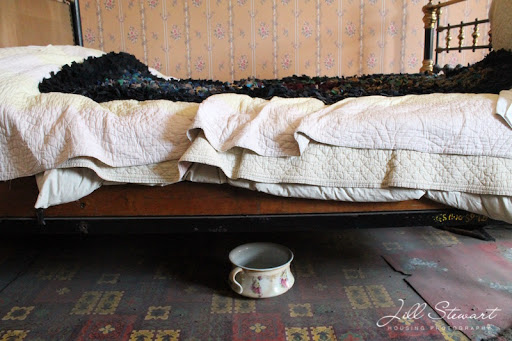
The house itself was very different from that of today. There was no central heating; the downstairs rooms were heated by coal fires and then later, after the Clean Air Acts of 1956 and 1968, by coke or gas fires. Upstairs the heating was provided by calor gas or paraffin stoves and electric fires. During the winter it was common for ice to form on the INSIDE of the windows! Night-time routine was hot water bottles in the beds and undressing downstairs in the warm. Thick dressing gowns and slippers were essentials. Every home had a coal hole or bunker. The coal men would carry the bags of coal to the coal bunker, from where the coal was taken by coal scuttle into the house.
In the kitchen, fridges were becoming more common although freezers were unheard of. It wasn’t until the early 1960s that local shops – there were no supermarkets – started stocking basic frozen foods such as frozen peas and fish fingers. These were purchased and cooked straight away as most people could not store them. Many people had only the pantry with its cold shelf, where butter, milk, cheese etc. was stored. The first taste of ice cold milk from a fridge was like nectar for a child used to milk from the cold shelf!
Shopping for food in the 1950s and 1960s was done every day as storing fresh food was difficult. There were no supermarkets so the housewife would visit the local baker, the butcher, the greengrocer and the grocer individually, carrying all her shopping home in baskets or in a pull-along trolley. She would pride herself on budgeting and keeping within the weekly allowance that she would receive from her husband. Not many working or middle class families had a family car although many had motorbikes. Traffic was light especially down residential streets so children played out in the street quite safely.
Monday was washing day in most households. No just popping the clothes into the machine and then into the tumble drier for the 1950s woman. If you were lucky enough to have a washing machine, it would be a twin-tub with mangle on top. This had to be filled from the tap. One side had a washing machine, the other a spin dryer. After the clothes had washed they were lifted out of the hot water with large wooden tongs, fed through the mangle and then dropped into the spin dryer. The whole kitchen would fill with steam as first the whites were washed and then the coloured clothes as the water cooled. There were no tumble driers so in the winter or when it rained, clothes were hung on clothes horses or airers around the fire or in the kitchen where it was warm. On other days clothes were pegged out to dry on clothes lines with wooden pegs (image right courtesy of The Memory Store).
Sunday night was bath night. The water was heated by a back boiler behind the coal fire or in the summer, by an expensive electric immersion heater. Hot water tanks could not store that much water, so shallow baths were the order of the day, as all the family would bathe one after the other.
Most households had a vacuum cleaner and a cooker. Entertainment was provided by the radio (wireless) or gramophone, and more and more people were acquiring televisions. These, like telephones, were rented, not owned. All televisions showed programmes in black and white; there were only two TV channels to watch, the BBC and the commercial channel.
Clothes were often homemade, either sewn or knitted. Knitted items when outgrown were re-cycled by being unravelled and re-knitted into something else. When collars on shirts became frayed, they were unpicked, turned inside out and sewed back on. All buttons and zips from old clothes were saved for the button box. Socks and stockings were darned.
Dinner would be on the table ready and waiting for the man of the house on his return from work. Housework and the care of children was considered woman’s work so the man would expect the house to be clean and tidy, meal ready, children fed and washed and his clothes all ready for the next day at work.
There was a succession of callers to the 1950s house. These would include the rag and bone man, a man with a horse and cart and a call of ‘any old rags’. The rag and bone man would buy your old clothes for a few pennies and mend your pots and pans when the bottoms went through. There was also the ‘pop man’ from whom you would buy lemonade, dandelion and burdock, and soda; each week you would return your empty bottles to him when you bought your next weeks’ drinks. Alcoholic drinks could be bought from the off-licence, often part of the local pub; again you would return the bottles in exchange for a few pence. The milk man came daily and delivered your milk right on to your doorstep – again he would take away the empty bottles to be washed and re-used. The local shops would also deliver your groceries, bread and meat, the delivery boys using bicycles to make their rounds. The dustbin men worked extremely hard, carrying the old metal dustbins on their backs from the householder’s back door to the cart and then returning them back.
For the 1950s housewife there was no need to go the gym; her day-to-day jobs kept her physically active. She walked to the shops and took the children to school every day on foot; the housework she did was very labour-intensive without today’s gadgets and there were no such things as convenience foods or fast food outlets. Sweets and crisps (the only flavour available was ready salted) were treats rather than everyday foods.
The 1950s housewife had been prepared both at school and at home for her role in life; she took pleasure and pride in looking after her home and family to the best of her ability. However on the other side of the coin, she didn’t have a career outside the home and she had no income of her own, which left her dependent on her husband.
Best of times or worst of times? Bit of both it appears.
Cookery
Ask any American in their 50s or 60s who is the best cook he or she knows, and they will almost certainly reply, “My mom”. Ask any English person of a similar age and they will almost certainly name anyone BUT their mother.
You could be kind and blame this lack of British culinary skill on rationing. Rationing continued even after the end of World War II; indeed, when the Queen came to the throne in 1952, sugar, butter, cheese, margarine, cooking fat, bacon, meat and tea were all still rationed. Rationing did not actually finish until 1954, with sugar rationing ending in 1953 and meat rationing in 1954.
Rationing and the meagre choice of ingredients and flavourings, whilst concentrating the cook’s mind on creating filling and satisfying meals, would preclude even the best of cooks from creating cordon bleu dishes. Food was seasonal (no tomatoes in winter for example); there were no supermarkets, no frozen food or freezers to store it in and the only takeaway was from the fish and chip shop.
The 1950s were the age of spam fritters (now making a comeback!), salmon sandwiches, tinned fruit with evaporated milk, fish on Fridays and ham salad for high tea every Sunday. The only way to add flavour to this bland plain cooking was with tomato ketchup or brown sauce.
There were no salad dressings as we know them today. Olive oil was only sold in very small bottles from the chemist, to be warmed and placed in the ear to loosen ear wax! Salad in the summer consisted of round lettuce, cucumber and tomatoes, and the only dressing available was Heinz Salad Cream. In the winter, salad was often thinly sliced white cabbage, onions and carrots, again served with Salad Cream. Heinz also did a range of tinned salads: Potato Salad, Vegetable Salad and Coleslaw.
Sample menu for a week’s meals from a 1951 cookery book
‘Meat and two veg’ was the staple diet for most families in the 1950s and 1960s. The average family rarely if ever ate out. The closest most people came to eating out was in the pub. There you could get potato crisps (three flavours only – potato, plain or salted – until Golden Wonder launched ‘cheese and onion’ in 1962), a pickled egg to go on top, and perhaps a pasty or some cockles, winkles and whelks from the seafood man on a Friday, Saturday or Sunday evening.
Things started to change when the UK’s answer to the burger bars in America arrived in the 1950s to cater for that new group of consumers, the ‘teenagers’. The first Wimpy Bars opened in 1954 selling hamburgers and milkshakes and proved extremely popular.
The late 1950s and 1960s saw a rise in immigration from the former British colonies. And with them came at last…flavour!!
Although the first Chinese restaurant in London was opened in 1908, the real spread of Chinese restaurants began in the late 1950s and 1960s with the influx of migrants from Hong Kong. These proved very popular; indeed in 1958 Billy Butlin introduced chop suey and chips into his holiday camps!
The 1960s also saw a dramatic rise in the number and spread of Indian restaurants in Britain, especially in London and the South East. During rationing it had been very difficult if not near impossible, to obtain the spices required for Indian cooking but with the rise in immigration from the Indian subcontinent and the end of rationing, this was no longer a problem and the restaurants flourished.
So much so that in the late 1960s, the first Indian and Chinese ‘convenience foods’ became available: the famous Vesta curries and Vesta Chow Mein, the first taste for many Britons of ‘foreign food’.
Also about this time a new drink in town appeared – lager. This light cold beer was the perfect partner for the new spicy food.
The late 1960s saw a boom in the British economy and a dramatic rise in the standard of living. The first package holidays to Europe started in the late 60s and made overseas travel affordable to all. This too played its part in tempting the British palate with tasty new foods and ingredients.
By the late 60s and early 70s dinner parties had become very popular, featuring the new fashionable ‘foreign’ dishes like Spaghetti Bolognese, often accompanied by wine. Before the 1960s wine was only drunk by the upper classes, everyone else drank beer, stout, pale ale and port and lemon. Now Blue Nun, Chianti and Mateus Rose were the wines of choice. Many spaghetti novices spent their evenings chasing their food around the plate attempting to catch it in the fork and spoon provided, whilst trying to avoid splattering themselves with thick tomato sauce.
Pre-dinner drinks were often accompanied by cubes of tinned pineapple and cheddar cheese on sticks, stuck into a melon or grapefruit to look like a hedgehog – the height of 60s sophistication!
Also at this time, chains of restaurants such as the Berni Inns began to appear in every British town and city, serving the classic 1970s favourites of Melon or Prawn Cocktail, Mixed Grill or Steak, and Black Forest Gateau or Lemon Meringue Pie for dessert.
Even nightclubs began to offer food. The Tiffanys chain of nightclubs served that great 1970s snack of sausage, chicken or scampi ‘in a basket’ to late night revellers.
The decades between 1954 and 1974 saw a dramatic turning point in British eating habits. From a nation still dealing with rationing in 1954 and whose staple diet was plain home cooking, by 1975 not only were we eating out on a regular basis, we were becoming addicted to the new spicy foods available and the nation’s love affair with Chicken Tikka Masala had well and truly begun.
If the Fifties were in black and white, then the Sixties were in Technicolor. For many, the ‘Swinging Sixties’ remain…
The role of the 1950s housewife: housework, shopping, children, looking after her husband. Best of times or worst of times?