Monday was washing day
Washday memories from Cornforth
We had a little wash house in the backyard in Gray Street. If I remember when you came out the back door it was on the right, the coal hole was directly in front by the gate, with the toilet next door.
We had one at number 12 and another when we moved across to Mechanic Street.
Who did the washing in your house?
My mother and my aunts, I couldn’t reach the boiler.
Wash day lasted all day, most families had many children to care for. Wash day began in the
communal wash house. The water was heated from a fire pit under a set pot, the soaked
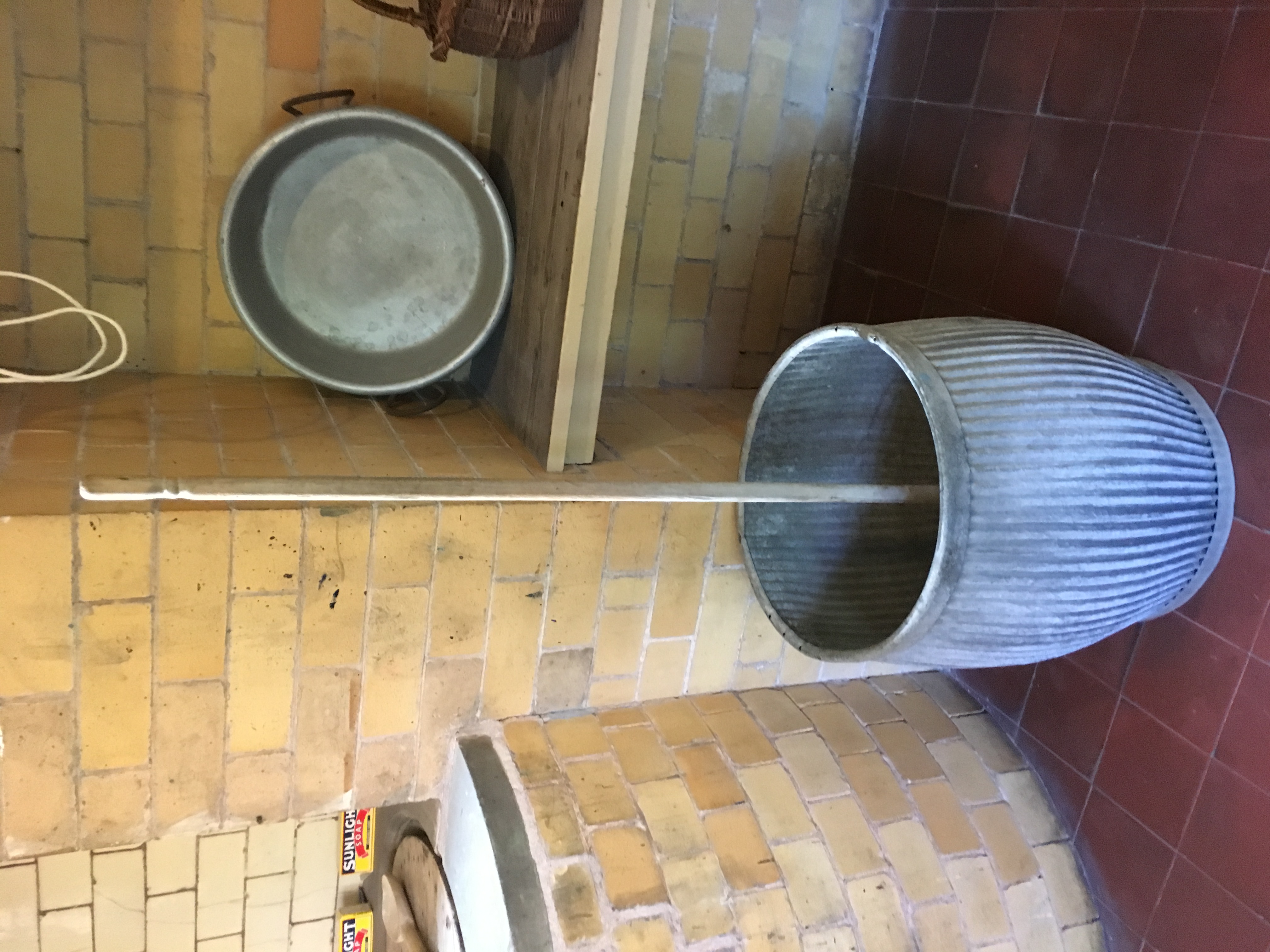
Overnight whites were put in the wash tub and pounded with the dolly then boiled. After boiling
they were rinsed and then Dolly Blued. Coloureds were put into heaps lightest to darkest and in
Turn were washed, it was time consuming. The bigger the family the more washing there was.
The washing had to be dried. The soap I remember was blocks of Fairy, Carbolic, and Sunlight,
Cloths were scrubbed before boiling then starched.
Some houses were built around a yard with wash house and toilets.
Mam washed on Mondays and made sure everything was on the line by twelve. Ironing was done on Tuesday.
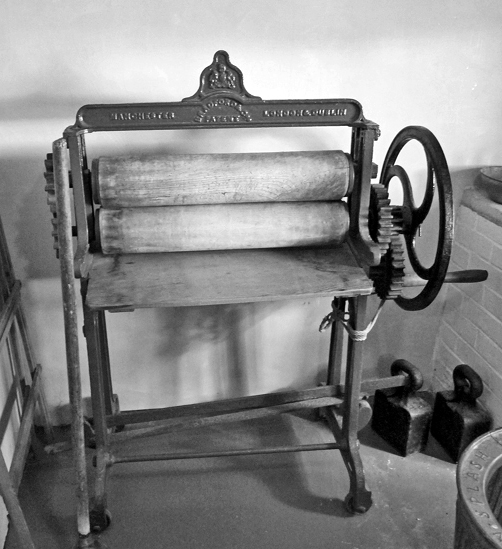
Monday was always washing day. The clothes lines were across the back streets. Gran lived in the Grove and had and had a tin boiler in the kitchen and you had to light a fire underneath. It was my job to turn the mangle. I often wonder what she would make of all the new devices.
I had to turn the mangle for my aunt Mary on a Monday and the poss tub.
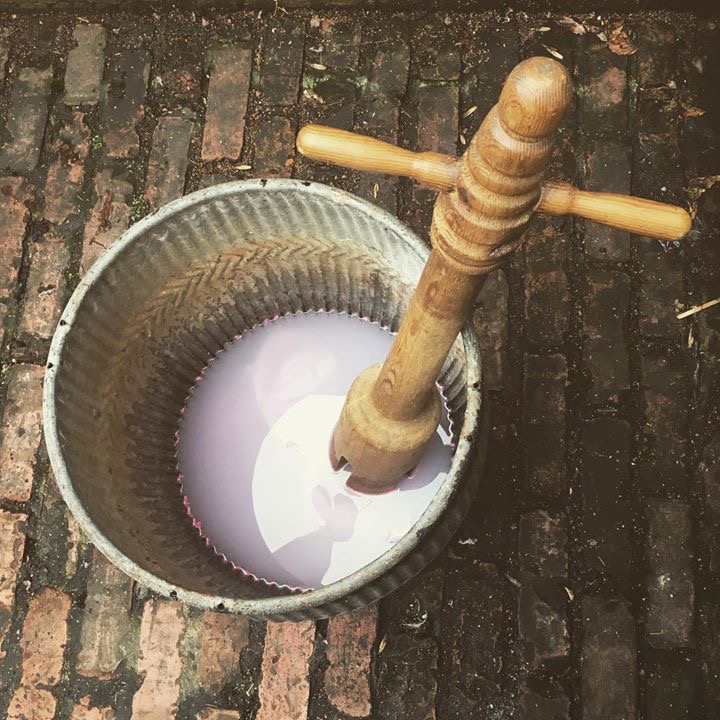
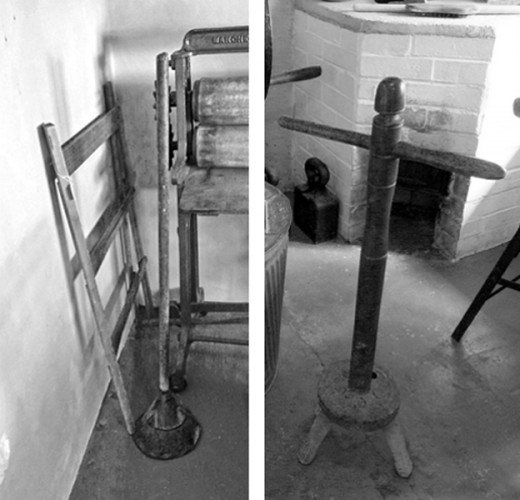
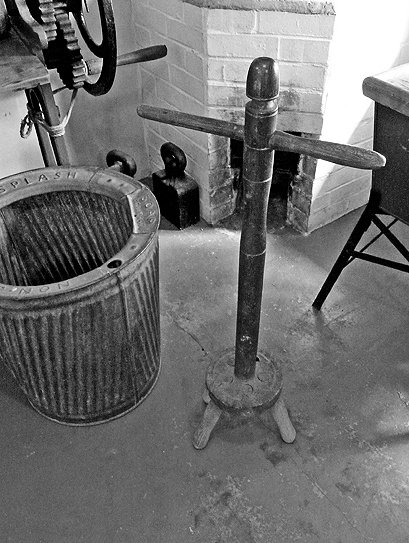
Our poss stick was similar to a rounded chair leg tapered at one end due to the loading and pounding of the boiled clothes, and lifting them out of the boiler into a pail to be rinsed in the sink.
Clothes had been washed, scrubbed, boiled, and blue rinsed and mangled, in that order.
Washing, boiling with the dolly blue bag, then starching and then ironing! You had to warm the iron on the fire grate or fill it with hot water. I forgot about the rinsing. I don’t know how they did it.
I still find it so painful to remember my mam’s early life in Cornforth.
We have it so easy now.
One side of the coal fire was the oven, on the other was the boiler. On a Monday, washing day, the clothes were boiled in it. On a Tuesday broth was cooked in it. How we survived this I will never know.
I remember coming home from school in the winter time. My dad sitting in front of the only fire in the house blocking out the heat while he worked on a parody mat, and a clothes line criss-crossed from wall to wall with wet clothes. I had to dodge to get to the fire.
I liked a blanket day. It took two people to pull the blanket out of the washer put the blanket through the mangle. The clothes line went up and the blankets went out, God forbid if the wind died down or the line snapped.
Walking up the back streets with the washing line strung across the road. You took your life in your own hands on washing day.
Boiling nappies! No disposables then. Nothing better than a line of snow white nappies on a breezy day apart from when there was a soot fall and it all started again.
Terry nappies! Always boiled. Disposables weren’t heard of.
Lovely to see a washing line of lovely white nappies blowing in the wind. xxx
Clothes in little piles in the hall floor, waiting to go in the twin tub, whites first followed by lighter ones. Mam scrubbing collars on dad’s shirts with Fairy soap. We had a boiler in the wash house in Linden Road where mam boiled the whites.
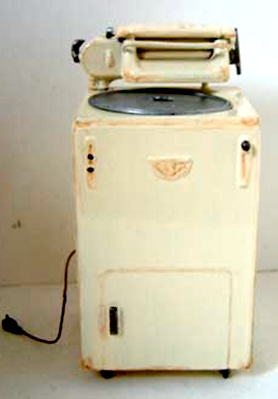
I remember when we got our first washer with a mangle attached I was told not to touch the mangle or I would lose my arm. I was scared stiff of that washer. I remember the smell of hot soapy water with lots of aprons and towels hanging to dry on the rail above the fire.
I remember my mam saying that too … so what did I do? I put my arm in.
Washing was women’s work in our house. I am still using the washing and ironing training my mam gave me. God Bless our old Ada (the washing machine).
I had mam’s twin tub when we first got married. It hadn’t been used much since the launderette opened two doors down. It served us well. I bought an automatic washing machine after our second son was born. I didn’t knowI was born!
My dad just died in March this year and he still had a twin tub which he used. He wouldn’t have one of those daft automatic machines.
Don’t see many of those these days. True; the scrap man took it.
When I got my first automatic washer me and my friend Nancy sat and watched it in anticipation for the end.
Ironing on the table with a thick blanket covered by an old sheet and the iron plugged into the light socket above the table. Winter days double adapters were used one for the light bulb and one for the iron.
I recall my mam plugging the iron into an adaptor on the ceiling light, the use of hard Fairy Soap on white collars and scrubbing brush on some stains. What happened to Dolly Blue? The kitchen table with oil cloth removed was ironing and scrubbing board.
The invention, and availability of detergents like Acdo, OMO, Fairy, Tide and Persil replaced dolly blue, and borax, or washing soda, which was mixed with grated bar soap
Can you remember which washing powder was used in your house?
Yes, Daz.
Omo was the one I remember.
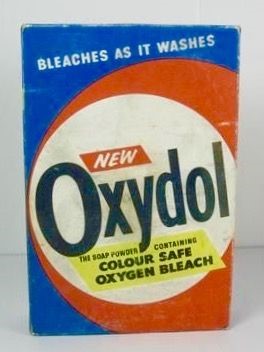
Oxydol laundry detergent.
Acdo I used it on net curtains. Thank goodness we don’t have them now.
I can remember; Oxydol, being my mam’s favourite, Robin Starch, Dolly Blue bags, no hot water.
The kitchen boiler was filled with cold water, carried in a white enamel jug trimmed with blue the night before usually by my brother Terry, or me (Anne). Terry laid the fire ready for morning. Whoever was up first lit the fire (do not let it go out!).
The yard would be flowing with white angels in the sunshine or hanging on the line in the kitchen, big fire roaring with the clothes horse round it full of a washed clothes. Not flying angels anymore just hanging there ready to attack you as you passed by. They did smell fresh and clean.
Ironing oh … oh.
Buttons were stitched back on, tears were neatly sewn back up – you wouldn’t know where. No sewing machines, just skill.
Irons were plugged into light bulb with two fittings.
How did your mam dry clothes on wet Mondays?
Yep and no spin driers just mangles.
I tend to keep away from the washing machine these days but as a kid I used to love turning the mangle in the back (only) kitchen.
My nanna washed in the back yard we used to pull the tub outside to mangle. When it rained she pulled it under a kind of covered in bit so we didn’t get too wet. That was in Alfred Street.
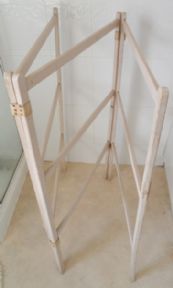
Clothes horse round the fire.
Definitely clothes horse round the open fire.
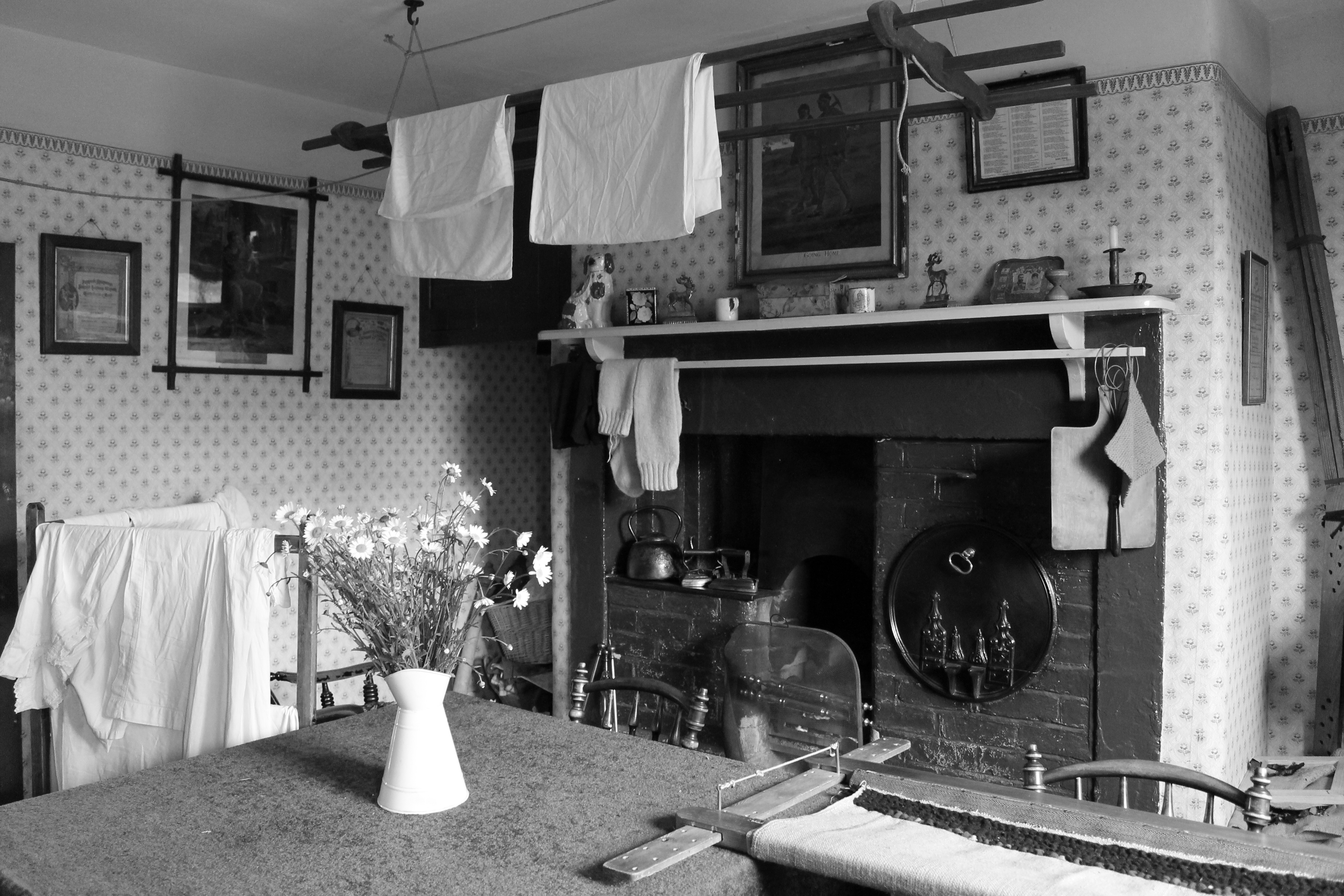
Pulley in the kitchen as mam called it.
Clothes horse round the fire which cut off all the heat! The clothes horse was used all summer as a tent.
Clothes horse … that brings back memories of makeshift tents!
Pulley in the kitchen was definitely better than the clothes horse directly in front of the open fire. …. Heat rises so clothes got dry and we kids didn’t get cold in winter.
Some houses had an airer that could be lowered from the ceiling. Over the doors. I do that with my sheets now, Spins in the machine mean my washing is only damp. Old roller mangles weren’t too effective and were dangerous.
Pulley on the kitchen ceiling right above the Rayburn that was 1950s council house but before that…Ormston’s Bank terraced houses before I was born…I don’t know how we did it.
Clothes horse near the fire one either side we used to build our camps with lol
Also pulley airer in kitchen me mam once set it on fire in number 14 she said
Many people talk about having ‘cold warmed up’ to eat on washday. A favourite was ‘singing hinny’ a cabbage and potato mix fry up.
My grandad, dad and his brothers were butchers. There were always lots of white shop coats and blue and white aprons to wash. Nana was in charge of the washing which was done in her back kitchen (the scullery).
Nana looked after me on a Monday in the days before I started school and during the school holidays. This was in the early 1950s. I often slept at nana and grandad’s house on Sunday night. I used to sit in the kitchen with Nana before I went to bed while she grated soap for the washing the next day. We had to make sure all the collars were detached from the shirts, and buttons taken off the shop coats (which were called slops) to stop them from getting damaged by boiling or being broken in the mangle. The slop buttons had metal middles with a post that was pushed through eyelets in the coat and secured with a ring similar to a key ring. I used to like winding the buttons off and putting them away in a special tin to be replaced after the shop coats had been washed and ironed.
On Sunday night really dirty items were put into soak; coloureds in one bath and white things in another.
By the time I got up on Monday morning nana had lit the copper and filled it up with water that she carried, one bucketful at a time, from the tap over the sink. Grandad’s shirt collars came off his shirts and were rubbed with soap and scrubbed before they were put in the tub.
The washing was sorted into piles on the back kitchen floor; whites and coloureds. Once the water was hot enough some of it was drawn out of the copper and put into a wooden tub. The whites; shirts, underwear, towels, sheets, tablecloths, and tea towels were put in the copper with grated soap and washing powder and left to continue boiling.
The coloured clothes were soaked in the wooden tub with washing soda. Jumpers, cardigans and other delicate items were put on one side to be washed later by hand but there were never many of them.
Grandad would get up a little later and sit in the kitchen waiting for his cup of tea and his breakfast. The kettle was always on the range. Grandad never came into the scullery. On Mondays grandad went to the shop and then to Darlington to the cattle market.
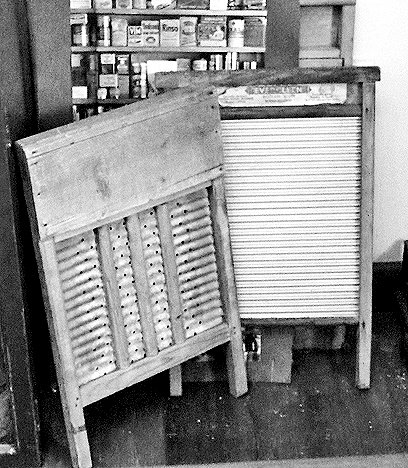
Nana and I would go into the back kitchen. My aunts, brought their washing and they did it all together. There was a lot to do. Some of the clothes were scrubbed at the wooden draining board by the sink, others were rubbed up and down a corrugated metal washboard, and the clothes in the wash tub were agitated with what looked like a stool on a stick. This was called a dolly. All of this was done from standing. I suppose getting the butchers’ slops and aprons clean took a lot of physical effort. There was a stick with a copper cup on the end. I think it was called a posser but I don’t know what it was used for.
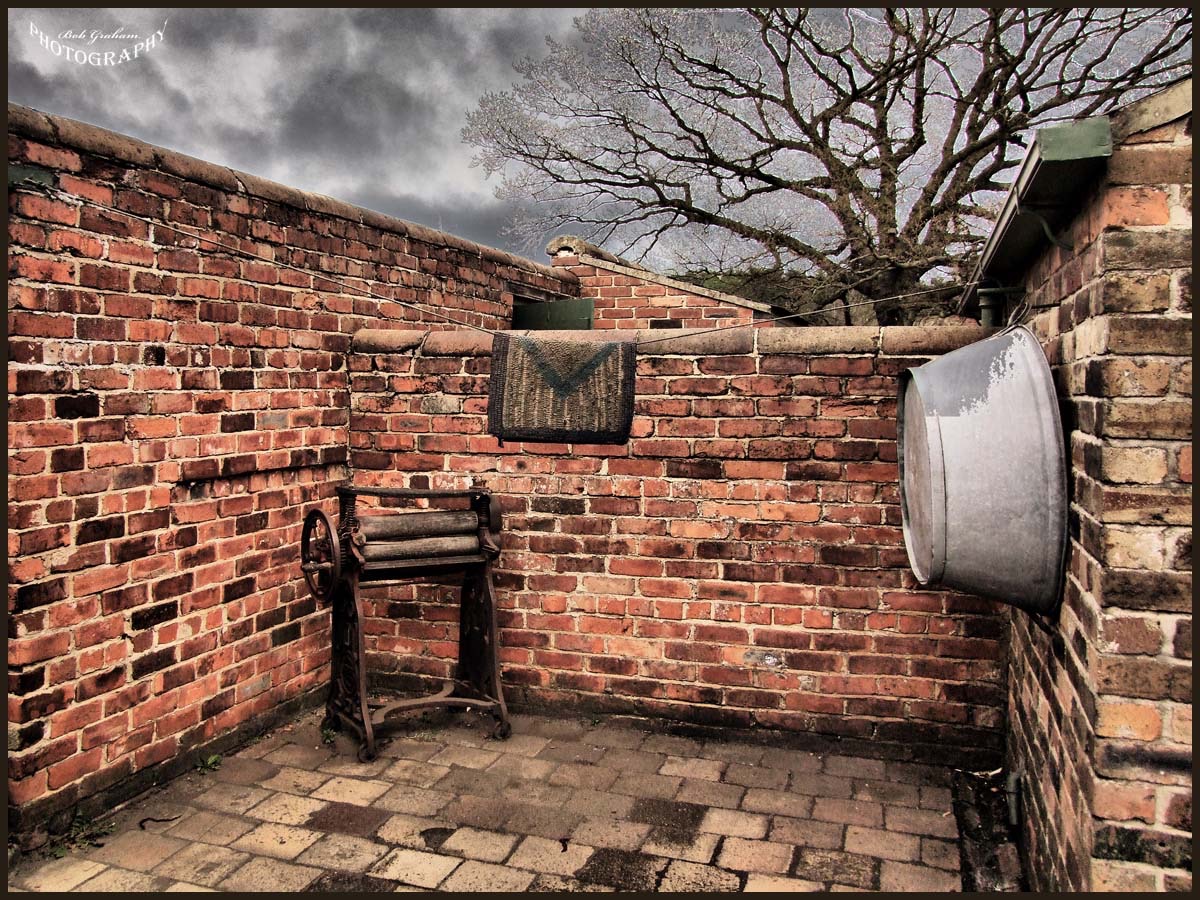
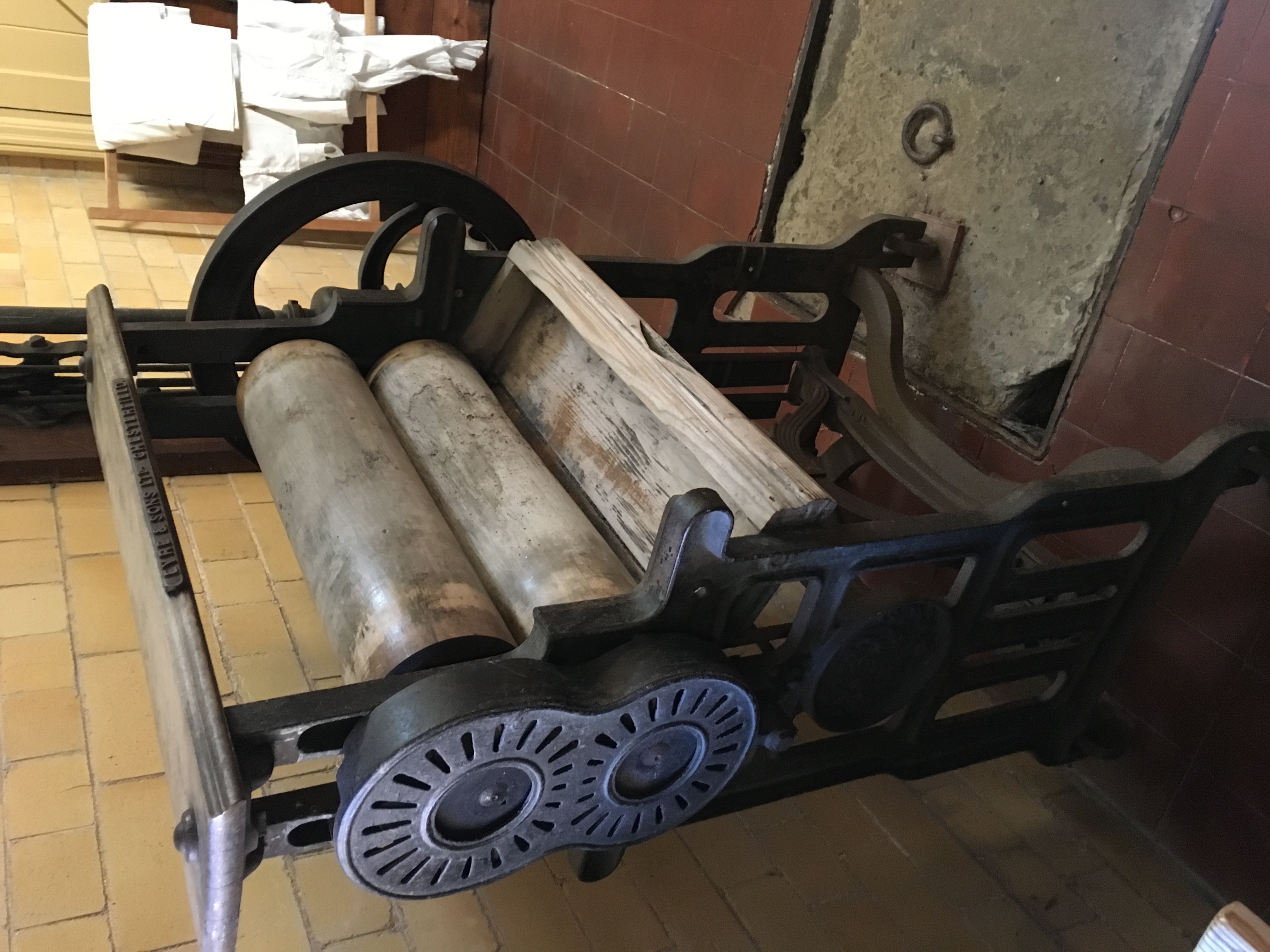
After washing everything had to be rinsed and mangled. The mangle was a fierce looking contraption. I was warned off with tales of people losing their hands and arms in the rollers.
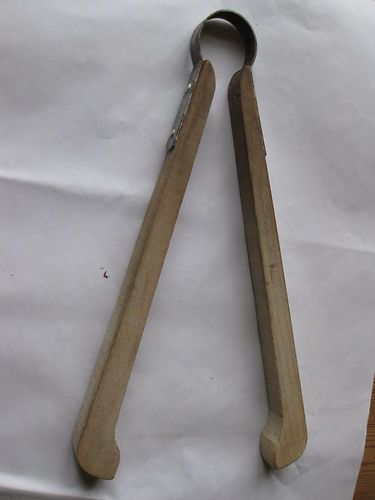
Washing was lifted out of the boiler and wash tub using big wooden tongs. The wet washing was very heavy and it took a lot of effort to lift the sheets and tablecloths up to and through the mangle to get rid of the dirty water.
The washing was dropped from the mangle into various containers, such as tin and pot buckets and baths of different sizes. Nana and the women helping her used whatever was to hand, including my brother’s baby bath. The washing was mangled after every rinse.
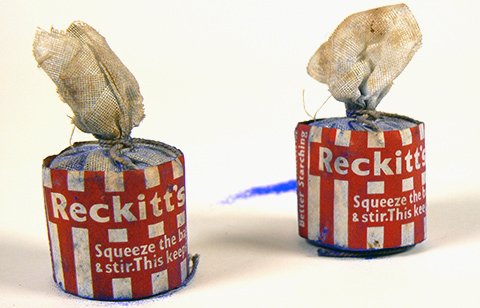
Some white washing was rinsed off in blue water. A tablet of Reckitt’s Blue tied in a muslin bag was dropped into the last rinse or used to soak whites before washing.
Not all washing went through the mangle; some items were wrung out by hand.
Table cloths and collars were starched. Making up the starch was quite complicated. Starch was powdered and had to be mixed in cold water. I did that bit but then it had to be mixed with boiling water and stirred quickly so it didn’t get lumpy. That was a job for the grown-ups. Once the starch was mixed it was added to a bath of cold water and the collars and tablecloths were placed in it and left to absorb the starch.
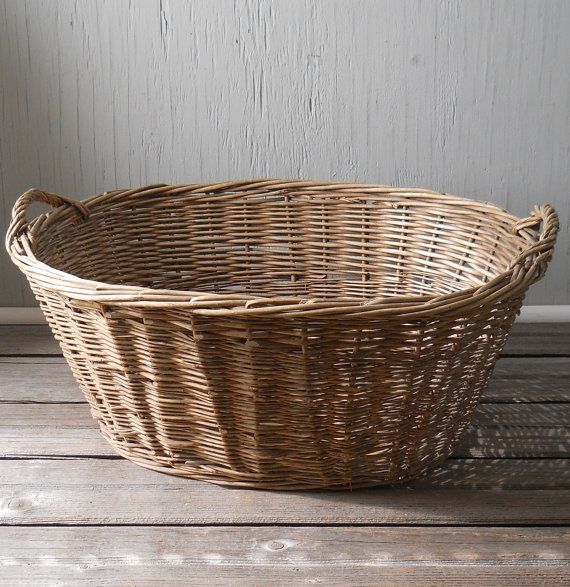
Washed, rinsed, wrung out and starched the washing needed drying… When the weather was fine washing was loaded into a washing basket and hung on long lines at the back of the house. The lines were let down while the washing was pegged out and then raised up with a wash pole. When it was raining washing was hung above the range in the kitchen on a rack that came down from the ceiling on pulleys or put on clothes maidens in front of the fire.
It was a busy day and the back kitchen was transformed into a mini laundry. Nana had help with the washing from her daughters in law and the hard working women who helped in the house and other areas of grandad’s business. Nana always did her fair share of the work but could not have managed it on her own. I asked one of my older cousins what they remembered of her. One cousin told me that nana was always busy when they were at her house but nana made time for herself.
Every Monday afternoon, leaving the others to finish the rest of the clearing up nana caught the DDS to Darlington. Her daughter, my aunty Peg, lived in Chilton and, after doing her own washing, joined her mam on the bus… They went to the market and Binns. Sometimes I went with them and grandad brought us all home in his van.
The whole of the next week seemed to be spent ironing. I have heard tell that Monday was washday because it gave women enough time to make sure they had clean, ironed clothes ready for their family to wear to church on Sunday.
When nana moved out of her house mam bought a twin tub and sent dad’s white slops and the white table cloths from the catering to the laundry. Using the twin tub was a palaver. It was a relief when the laundrette opened next door near to the shop. My first job was in Newcastle. I came home Friday tea time and spent a couple of hours in the launderette. A family friend who had helped nana at home was usually there with her sister and I looked forward to chatting with them.
What I remember from washday at my nana’s house in the 1950s is that it was hard work, solely carried out by women but there was also lots of chat and teasing. My aunts pulled faces as they dragged nana’s bloomers from the tub and putting them through the mangle. My aunts chose to wash their own ‘smalls’ (nana’s word) at home rather than risk the rigour of the wash tub or prying eyes in the back kitchen at Middleham Road.
Washday crept over the whole house. Some days all the windows in the house and the windows and walls in the kitchen would be streaming with water.
My favourite smell is of getting into bed with clean bedding that has been dried outside.